

Cornwall Education Learning Trust
Exceptional Educational Experience
Cornwall Learning Education Trust
Family of schools
-

Bodmin College
-

Brannel School
-

Carclaze Community Primary School
-
Fowey Primary School
-
Lostwithiel Primary School
-

Luxulyan School
-

Mevagissey C.P. School
-

Mount Charles School
-

Newquay Junior Academy
-

Newquay Primary Academy
-

Newquay Tretherras School
-

Penrice Academy
-
Poltair School
-

Pondhu Primary School
-

Port Isaac Community Primary School
-

St Mewan Community Primary School

Kinship care
What is kinship care?
Kinship care is when a child is raised by a relative or close family friend because their parents are unable to care for them. This could include grandparents, aunts, uncles, older siblings, or someone the child already knows and trusts, such as a family friend.
Kinship care can happen in different ways:
-
Informal arrangements, agreed within the family without social services involvement
-
Formal arrangements, such as a child arrangements order, special guardianship order, or fostering with local authority approval
Children in kinship care usually stay connected to their family, culture, and community, which can provide stability and continuity at a difficult time. Kinship carers may or may not have parental responsibility, depending on the legal arrangement.
Kinship care often begins during a crisis, but in some communities it is a long-established and normal way of caring for children. It plays a vital role in the UK care system, supporting children to grow up in familiar and loving environments when they cannot live with their parents.
Are you a kinship carer?
People become kinship carers in different ways and for different reasons. In some families and communities, children are often cared for within their wider family. For others, kinship care begins suddenly as a result of a crisis or unexpected change.
Kinship care can happen for many reasons, including illness, bereavement, or family crisis. It’s often unplanned, happens quickly, and families don’t always realise there is a name for their situation, or that support and advice is available.
It’s common to experience mixed and complex emotions, such as feeling responsible, anxious, angry, or that you have no real choice but to step in. However, if you find yourself in this situation, your feelings matter.
These feelings are completely normal. Understanding why you are taking on this role can help you make informed decisions. Caring full-time for a child is a major commitment and can be life-changing and many people benefit from time to talk through the implications.
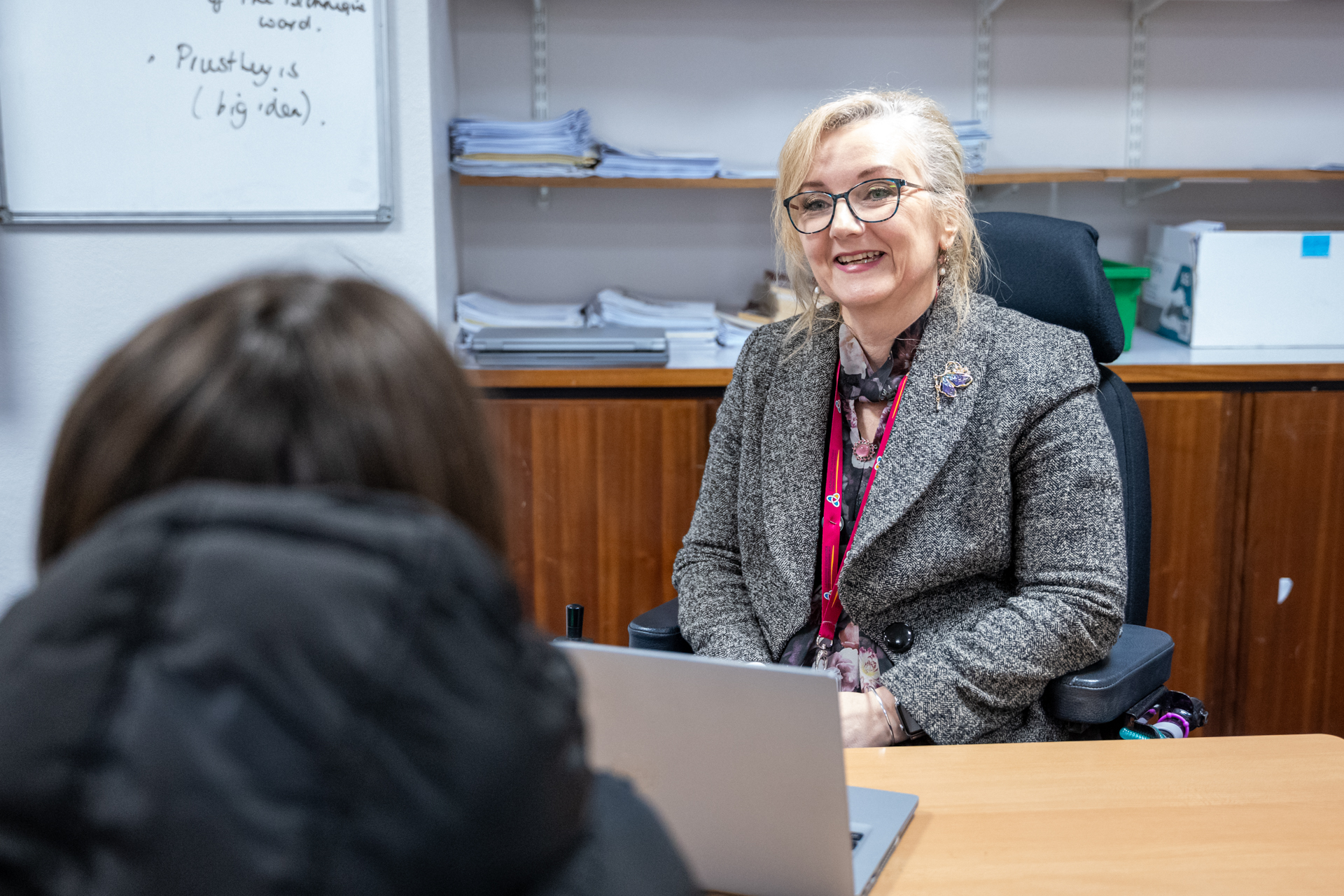
Support for children and their kinship carers
Support for children in kinship care is available and we are working hard to raise the profile of kinship care and the support available to children and families.
Kinship care support and advice
If you’re caring for a child in this way, you’re not alone. There are local and national organisations offering guidance, community, and practical help for families in Cornwall:
Cornwall Council Kinship Care Local Offer - support for families in Cornwall
HeadStart Kernow – support for children and families
Adopt South West – also supports Special Guardianship families
AWENA – Cornwall Virtual School
Penhaligon’s Friends – bereavement support for children and families
Kinship – what kinship care is and how families are supported
Local support groups for kinship carers
This group is led by Kinship staff and open to all kinship carers in St Austell and the surrounding area. The group provides a friendly, supportive place to come and chat with other kinship carers over a cuppa.
North Cornwall Kinship Group (Bodmin)
This group is led by Kinship staff and is open to all kinship carers. A friendly, supportive group where kinship carers can meet together and share experiences.
If you would like to join the group or have any questions, contact Jayne Howard:
Phone number: 07518 291 759
Email: jayne.howard@kinship.org.uk
Cornwall Education Learning Trust, Tevi Building, Brannel School, Rectory Road, St Stephen, St Austell, Cornwall, PL26 7RN.